 Mattresses
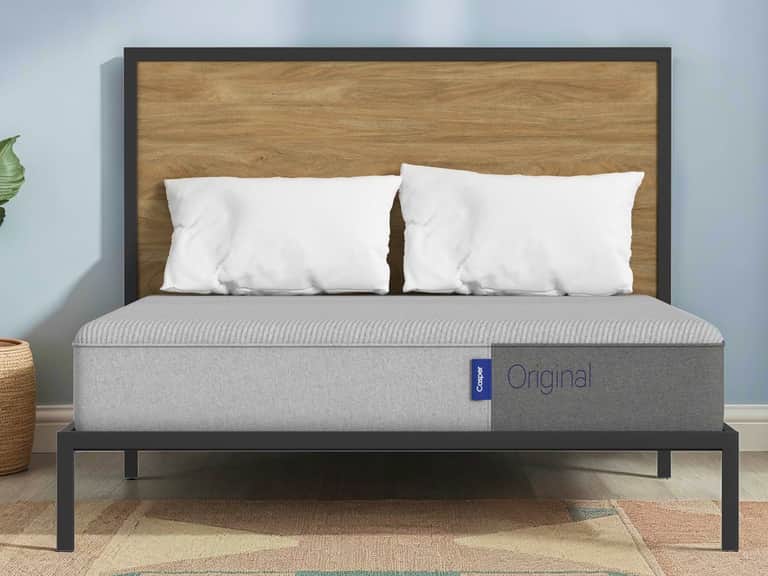
Original Mattress
Sleep cooler and cradled by responsive foam that hugs your curves, while three ergonomic zones keep your spine aligned for balanced, all-night comfort and easy movement.
Foam mattresses are designed to provide varying levels of contouring and support, making them suitable for a range of sleeping preferences. Key characteristics include responsive comfort layers, pressure-relieving foams, and motion isolation. Understanding density, memory foam, and transition foams helps correlate firmness with anticipated sleep support and durability. Relevant keywords include bedding, pillows, sheets, and organic mattresses.
Original Mattress emphasizes balanced support with a blend of dense support foam and softer comfort layers. This combination promotes spinal alignment while reducing pressure points for side and back sleepers. The foam structure contributes to quiet performance and minimizes motion transfer, supporting restful sleep across shared sleeping arrangements.
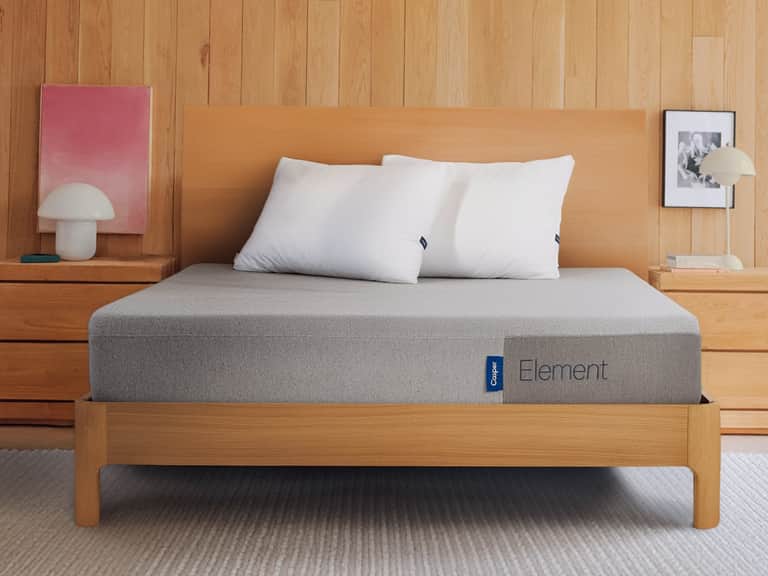
Element Mattress features an emphasis on adaptive comfort and temperature regulation. Layered foams may incorporate open-cell constructions or breathable covers to sustain a comfortable sleep surface. Its contouring properties help distribute body weight evenly, facilitating ergonomic alignment and reducing wakefulness caused by discomfort during the night.
In foam mattress constructions, durability is influenced by foam density, core construction, and cover materials. Higher-density foams typically offer longer lifespan and better support retention, while innovative blends can improve resilience and edge stability. Understanding these attributes assists in selecting a mattress that maintains comfort over time.
Across foam mattress options, considerations such as firmness level, off-gassing potential, and compatibility with foundations or slatted bases inform long-term usability. For health-conscious shoppers, exploring organic mattresses and latex-infused foams can reveal alternatives with distinct resilience and hypoallergenic properties, expanding the landscape of effective sleep solutions.
Mattresses
 Mattresses